

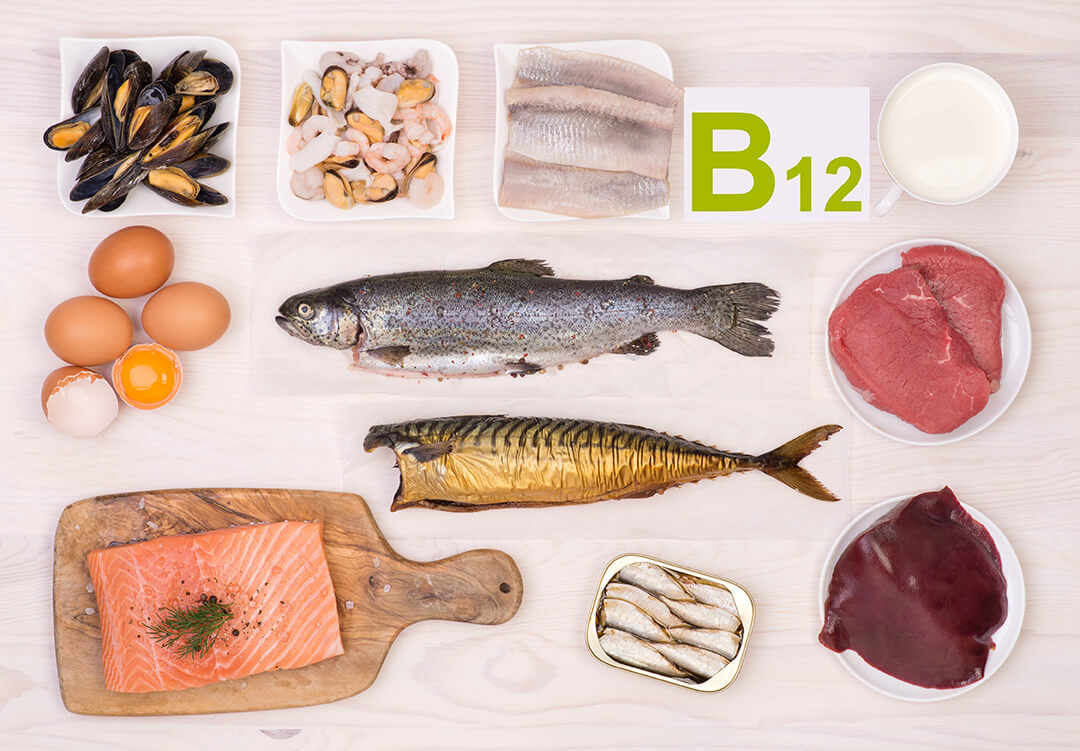
This month, we are reviewing our essential member helpsheet on Autoimmune Disease and Diet. This comprehensive guide was written and reviewed by our CEO, Katrina Burchell, and Expert Advisory Board Member, Professor Lori Taylor. While B12 injections are a lifeline, the food we eat is vital for managing inflammation and ensuring the absorption of other necessary nutrients.
Why Your Diet Matters
For many in our community, Autoimmune Gastritis (AIG) is the root cause of B12 deficiency. In AIG and Pernicious Anaemia (PA), the immune system attacks the cells or proteins needed to bind and absorb B12. Because we cannot actively absorb B12, we must rely on injections and the small amount (roughly 1%) that can be absorbed through passive diffusion.
To make the most of this “passive window,” your gut lining must be healthy and uninflamed.
Key Learning Points from the Help Sheet
- The Nutrient Trio: B12 does not work alone; it requires folate (found in leafy greens, liver, eggs, i.a.) and iron to produce healthy red blood cells.
- The Role of Stomach Acid: AIG often leads to low stomach acid (hypochloridria). Acid is the “biological key” that unlocks nutrients like iron from animal proteins. Without enough acid, even iron-rich foods may not be effectively absorbed.
- Reducing Inflammation: Elimination diets can help identify triggers that irritate the gut. Many members find that temporarily removing gluten or dairy reduces bloating and “heaviness” associated with low stomach acid.
- Managing Irritants:
◦ Alcohol can directly irritate the thinned stomach lining.
◦ Artificial Sweeteners can cause gas and bloating.
◦ Spicy Foods may cause a “burning” sensation often mistaken for high acid. - Vitamin C’s Critical Role: Research from Professor Lori Taylor highlights that vitamin C levels drop when stomach acid is lost. Supplementing can help stabilize iron for absorption and may help prevent the formation of potential carcinogens in a low-acid environment.
Practical Steps for Your Journey
- Prioritise Digestible Proteins: Choose fish or poultry. If acid is very low, try smaller, more frequent portions or slow-cooked meats and blended soups.
- Mind the Gaps: If you remove food groups like dairy, be sure to replace them with nutrient-dense alternatives like leafy greens or sardines to maintain calcium and vitamin D levels.
- Listen to Your Gut: Autoimmune Gastritis is a personal journey. What works for one person may not work for another.
Note to Members: This information is for educational purposes. Please work closely with your medical team or a registered dietitian before making significant dietary changes.
You can find the full version of this helpsheet in our members section and listen to Professor Taylor’s seminar on AIG and PA in the Pernicious Anaemia Society Shop.


0 Comments