

Who is most at risk
for Pernicious Anaemia?
Age: It Can Affect Anyone, But Risk Increases Over Time
While Pernicious Anaemia is classically associated with older adults (often due to age-related gastric atrophy), it can occur at any age.

Genetics and Family History
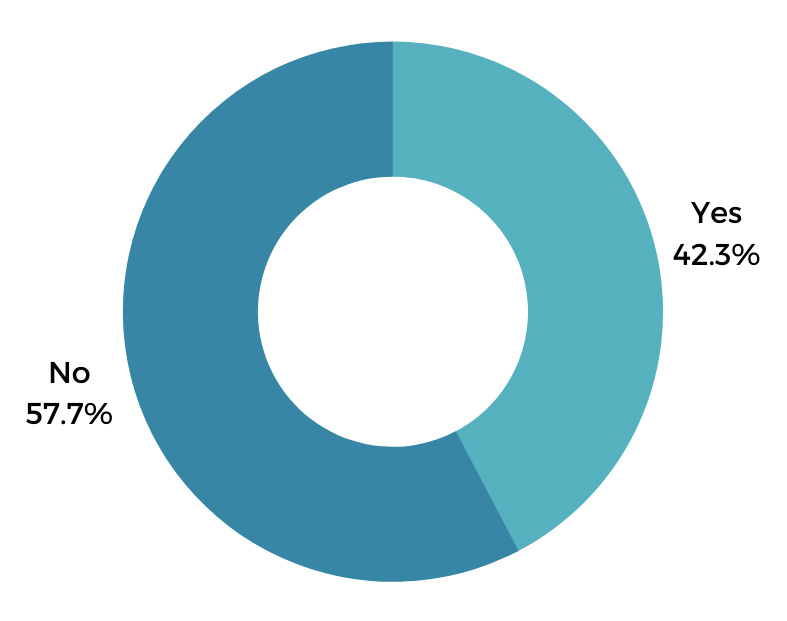
There is a strong family link in Pernicious Anaemia. Always mention any family history of PA, autoimmune thyroid disease, type 1 diabetes, vitiligo, or similar conditions to your doctor—especially if your B12 levels are “normal” but symptoms persist. This raises clinical suspicion and can justify further testing (e.g., anti-IF antibodies, gastrin levels, or endoscopy). The UK NICE Guideline states that a family history of PA or autoimmune diseases are a risk factor for PA and should be taken into account. First-degree relatives (parents, siblings) of someone with PA have roughly 3–4 times higher risk; sibling risk can be even higher. In patient surveys, 30–46% report at least one affected family member (parents, siblings, grandparents, etc.).
Gender: More Common in Women, But Affects Both
There is a female predominance (often cited around 1.5:1 or higher depending on the population), which aligns with many autoimmune diseases. However, men are also affected, and some datasets show more balanced ratios. Patient support groups often skew heavily female, likely because women are more proactive about sharing health experiences and seeking community.
If you’re male and have symptoms plus risk factors (family history, other autoimmunity), advocate just as strongly—PA is not “a women’s disease.”

Associated Conditions and Other Risk Factors
Because diagnosis can be delayed, many patients first receive labels like depression, anxiety, IBS, chronic fatigue/ME, menopause-related issues, or iron deficiency. If these don’t fully explain your symptoms, consider pushing for B12 testing.
- Other autoimmune diseases: 35–50%+ of PA patients have at least one additional diagnosis (e.g., thyroid disease, type 1 diabetes, vitiligo). Screen for these if not already done.
- Gastrointestinal factors: Celiac, Crohn’s, gastric surgery/bypass, or pancreatic issues.
- Medications: Long-term PPIs, metformin, etc., can impair B12 absorption.
- Diet: Strict vegan or vegetarian without reliable B12 supplementation.
- Personal or family autoimmune history.
Ethnicity: Not Limited to Any One Group
PA occurs worldwide and affects people of all ethnic backgrounds. It is more prevalent in those of Northern European (including Scandinavian and Celtic) and African descent than in Asian populations, but no one is exempt. The outdated stereotype of it being a “fair-haired, blue-eyed” condition is simply not accurate.
When to test for B12 deficiency?
- (Macrocytic) anaemia
- Neurological/neuropsychiatric symptoms: tingling, problems with remembering words, brain fog, sensory loss, dementia, psychosis, paranoia, depression, mood swings, behavioural changes, etc.
- Symptoms as glossitis, extreme fatigue, loss of appetite, weight loss, see more
- Diabetes, Auto-immune thyroid disease, Crohn’s disease, MS, pancreatic insufficieny, gastric bypass, coeliac disease
- Use of medication : metformin, ppi’s, Questran, colchicine
- Vegan/strict vegetarian diet