

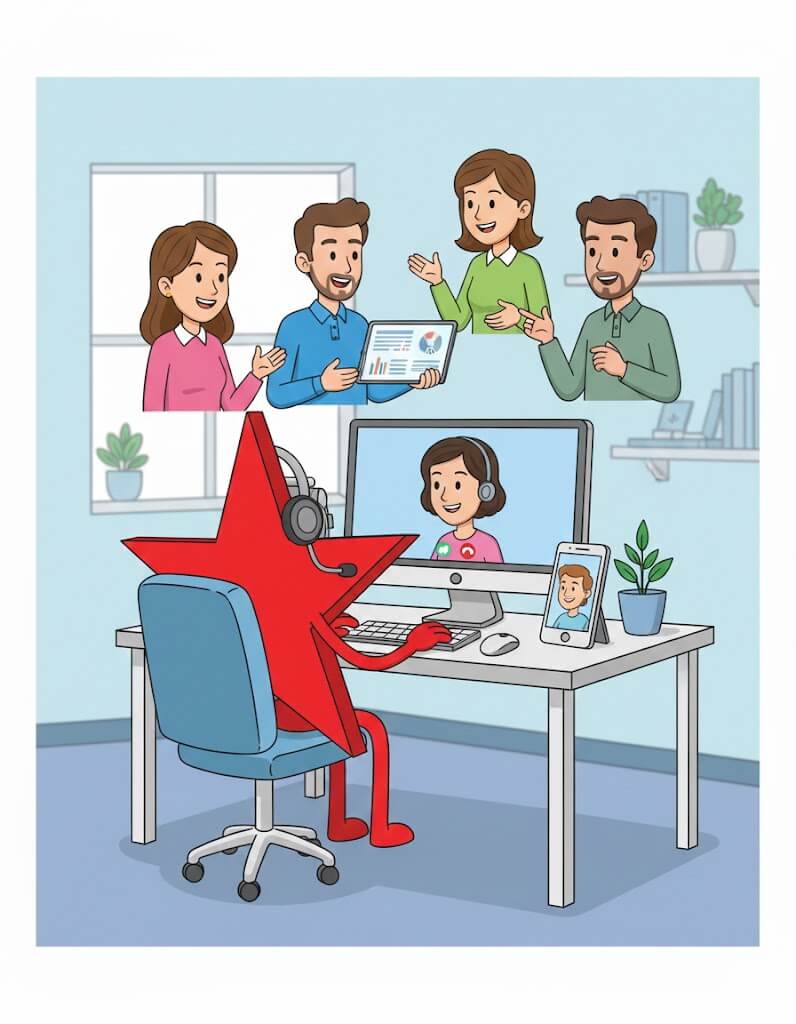
Many people living with autoimmune disease feel lonely, distressed and isolated. Grieving the lives they once had, every day can feel like a challenge they cannot escape.
And as the days post diagnosis turn into years of living with a chronic condition, many find people stop asking how they feel – to devastating effect on their mental health.
“No one is interested in something that can’t be fixed, something that is just depressing and has no silver lining,” says Kate Middleton, founder of the Wren Project, a listening support charity for people with diagnosed autoimmune disease (AID).
“Over time, people stop asking how you feel, how you are coping. For the six million people living in the UK with AID, this can be incredibly isolating and difficult.”
In 2020, Kate founded the Wren Project – the first UK charity to offer free, listening support to people in the UK living with a diagnosed autoimmune disease. Their mission is simple; support people living in isolation with their diagnosis by listening, not trying to fix.
Living with several autoimmune diseases herself, she understands how it feels to not be heard; when people stop asking how you are.
“If I knew someone would listen, I would talk about my lupus or my Pernicious Anaemia diagnoses all the time,” she says. “It shapes me in every way – whether I want it to or not.”
Through fortnightly video calls with a dedicated listening volunteer, the Wren Project offers individuals a space to talk honestly and openly about how they are feeling. Their support is empathetic and validating, rather than advice-led and medical.
“The effect of not being listened to, makes you feel like you are going mad. But when you speak about it and someone hears you, you feel less lonely living with it,” she explains.
With so many autoimmune diseases being rare and often invisible, it can feel difficult talking about something that other people can’t see, let alone feel or understand.
“I often think that perhaps it is so difficult for people to listen to how you feel, when it contradicts what they see,” she says.
“It is too easy to think I must be fine because of the way I look. But my entire adult life I have lived inside a body that attacks me. I have been diagnosed with six autoimmune diseases and I’m certain there is more to come.”
“My reality is that I’m on medication for life to stop my body from destroying itself, from killing itself and I spend every day ignoring that pain, sadness, that reality. I’m not alone in this.”
When individuals seek out support from the Wren Project, 90 per cent arrive feeling lonely, 86 per cent are in a period of high stress and 76 per cent have no hope for the future.
“There are six million people in the UK that feel like I do: silenced, isolated, mad,” she continues. “A lonely community, but one we can help feel heard.”
For the over 1500 people who have already been supported by the UK charity, it offers an outlet to be honest, real and crucially, to feel heard in their experience.
“The Wren Project delivers the answer: it’s called listening,” Kate adds. “We don’t provide the solution because there is no solution. We just hear how bad it is without trying to make it better.”
“We let people feel how they really feel, no gloss or shine.”
* The Wren Project offers free listening support to individuals living with a diagnosed autoimmune disease, such as Pernicious Anaemia, living in the UK. You need to be aged 18 or over to receive their support and be in a period of difficulty.
Support can be one-to-one, or in small groups, and sessions run remotely, meaning you can join from anywhere in the UK. For full details on how to apply for support, or train to become a listening volunteer, head to www.wrenproject.org for more details.
** In the Wren Project’s latest impact report, data showed that after six months of listening support, 97 per cent felt more hopeful for the future, 89 per cent felt more resilient and 80 per cent were less distressed.
The power of listening in the lives of people with autoimmune disease
Webinar Recording – Free to watch for PAS members!

This resonates deeply. I’ve lived with autoimmune gastritis and pernicious anemia for years, and the hardest part hasn’t always been the illness itself — it’s the invisibility of it. When you look healthy on the outside, people gradually stop asking how you’re doing. The assumption becomes that everything must be fine.
Recently I had a PICC line placed for IV antibiotics after a long infection battle. Suddenly I became “visible.” A small bandage on my arm and a pink wristband were enough to change how people interacted with me. Waitresses asked if I was okay, strangers opened doors, family checked in more often. Nothing about my internal reality had changed — only the signal had.
It was a strange social experiment I never intended to run. For six years I’ve been a polished apple that looks healthy on the outside but is slowly rotting in the middle. The moment the illness became visible, compassion appeared everywhere.
It makes you realize how much of empathy depends on what people can see.
Rex Wiig, from across the pond.
Thanks for this excellent email. I feel less isolated withy Pernicious Anemia.
Thanks for email.Time and again,i feel i have to educate my doctor about gastritus being the forunner of pericous anemia.I feel i have to convince her i have P A.and that i need my shots more regulary,(now every 12 days)as i am gasping for breath with no energy,ears screaming and head ram packed with cotton wool,just pushing through.My fondest hope is that one day a doctor will say to me,i understand perfectly im so sorry youve had to struggle so much.